Published:
December 30, 2025
Last Updated:
December 30, 2025
Your strongest success stories often live in environments that aren’t simple to film:
You want to capture the reality of your customers’ world — but you also need to respect safety, confidentiality, and operations.
That’s where a specialized approach to industrial case study video production becomes critical.
Before cameras ever arrive on site:
A veteran-owned, mission-focused production partner (like Engage) is comfortable working under these constraints and building them into the plan.
Your customer still has work to do.
Thoughtful planning means:
The goal is to get what you need while respecting throughput, safety, and schedules.
Interviews are the backbone of case study videos. In industrial and technical environments:
A good director knows how to translate technical language into clear soundbites without losing accuracy.
B-roll in technical environments should:
We often combine:
There will always be things you can’t show or capture live:
Motion graphics and simple 2D/3D animations can:
This combination keeps the story accurate, visually clear, and within compliance.
Technical and industrial customers often have multi-step approvals:
Your production partner should:
That’s how you protect relationships while creating a video both sides are proud to share.
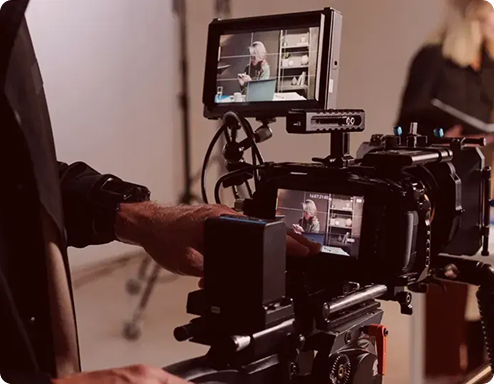
Engage Video Production specializes in case study video production for technical and industrial organizations, balancing cinematic visuals with operational discipline:
https://www.engagevideoproduction.com/case-study-video-production
You can cross-link this blog to Corporate Video Production for leadership and internal success storytelling.

Last Updated:
December 29, 2025
Onboarding videos engage new hires, ensure consistency, communicate culture, clarify roles, and support hybrid workforce accessibility.

Last Updated:
December 29, 2025
E-learning videos enhance engagement, provide flexible, data-driven training, reduce costs, and scale learning across industries efficiently.

Last Updated:
December 30, 2025
How to choose live-action, 3D, or hybrid product videos for maximum clarity.


Filming case study videos in technical and industrial environments doesn’t have to be stressful. With the right planning, communication, and on-site approach, you can capture real stories in real spaces — safely and efficiently.
👉 Want a production partner who understands aerospace, defense, and manufacturing environments?
Contact
Engage Video Production
to plan your next on-site case study project.